Mentor spotlight: Marcus, year 2 of volunteering
15 June 2026
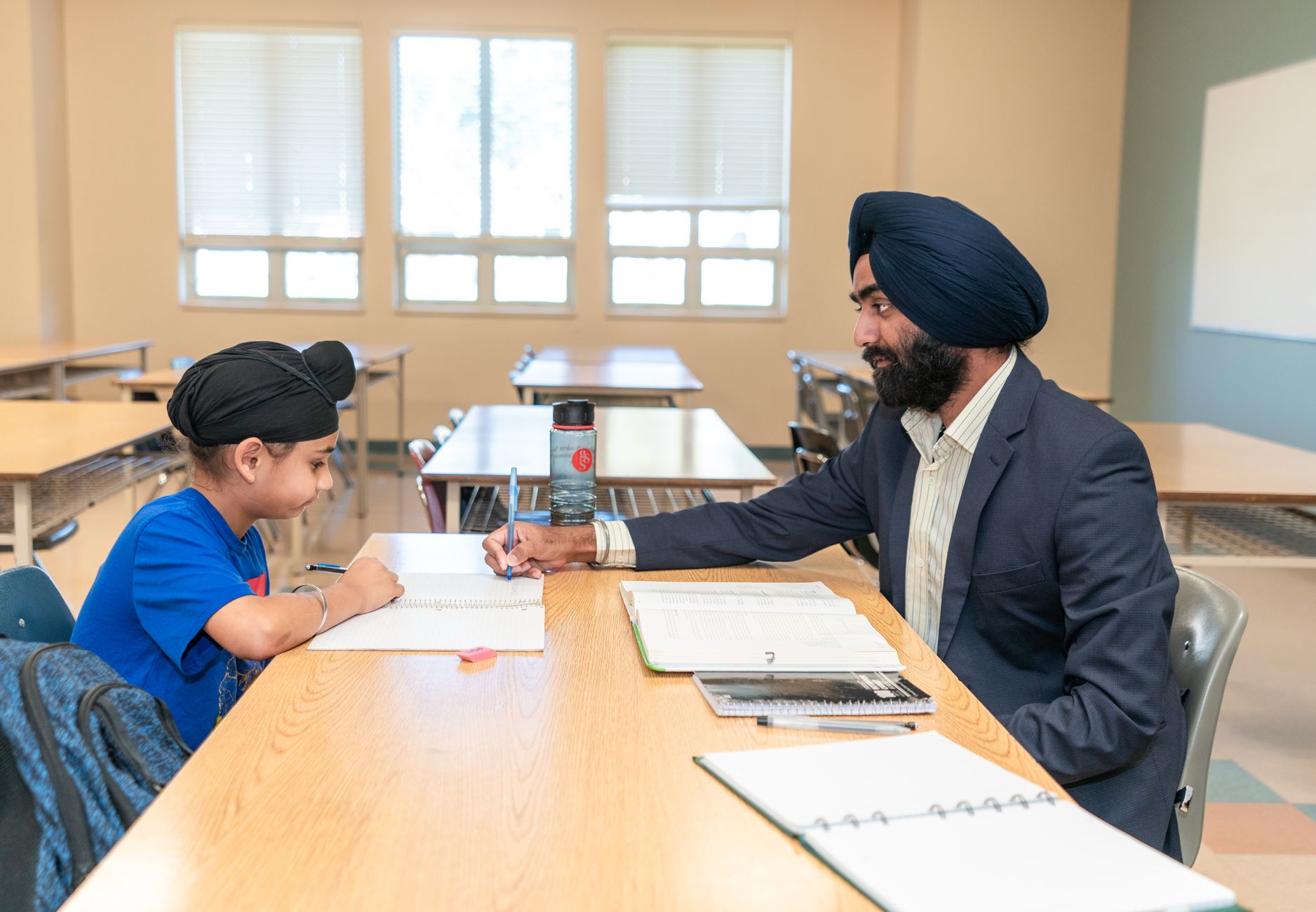
Marcus signed up for reading mentoring the way a lot of our volunteers do — a colleague mentioned it, he thought "that sounds manageable," and filled in the form on a Sunday evening without dwelling on it too much. Two years on, he's one of the mentors newer volunteers get paired with for shadowing sessions, mostly because he's honest about how much he got wrong at the start.
"I thought the job was teaching someone to read," he told us. "It isn't, really. By the time we're sitting down together, a child already knows how letters work. What they don't have yet is a reason to bother — some proof that the effort pays off. That's what you're actually there to build."
His first child was a Year 3 boy at one of our partner schools in Newham, quiet, capable of reading perfectly well when he wanted to, and almost never wanting to. Marcus describes the first month as "mostly me talking to myself." The turning point, he says, wasn't a breakthrough moment but a small, almost accidental one: he brought in a book about volcanoes because he happened to like volcanoes, not because it was pitched at the right level. It was too hard. The boy struggled through two pages, refused to stop, and took it home.
"That's when I understood you're not managing a reading level, you're managing a person," Marcus said. "He didn't care that it was hard. He cared that it was volcanoes."
Two years in, he's now on his third child, a girl who arrived mid-year after her family moved boroughs and was, by her teacher's account, "furious about reading" — which Marcus has come to recognise as a specific and treatable thing, distinct from can't and different again from won't. His approach now starts earlier than the book choice: a few sessions of just talking, finding out what she's actually interested in, before a single page gets opened.
Patience, he says, is the whole job, and it's not the patience of waiting quietly — it's the patience of trying the wrong book four times and not taking it personally. "You have to be willing to be boring to them for a while. Then one day you're not."
He mentors most Tuesday afternoons, straight from work, and has missed exactly two sessions in two years — both for his own illness, both rearranged rather than dropped. We asked what's kept him going this long. "I like watching someone stop performing effort and start actually reading," he said. "You can see the exact second it happens. It's addictive, honestly."